Criminal Lawyer in Agra | Best Criminal Advocate for Defense & Prosecution
Facing criminal charges or accused of a crime can be one of the most stressful experiences of your life. At Agra Legal Firm, we are experienced criminal advocates who defend individuals and corporations against criminal accusations in Agra’s courts. Whether you are dealing with a First Information Report (FIR), need bail assistance, or require representation at trial, our criminal lawyers bring a winning strategy to your case.
Our founder, Itendra Singh, an alumnus of the National Law University, has built a reputation as one of Agra’s most respected criminal defense advocates. With offices across Agra, Jaipur, Delhi, Allahabad, and Mathura, and a 4.9 Google rating from over 103 clients, we have the expertise and network to handle your criminal matter effectively.
Understanding the Indian Criminal Justice System
India’s criminal justice system is governed primarily by the Indian Penal Code (IPC), 1860, and the Criminal Procedure Code (CrPC), 1973. The IPC defines various criminal offenses ranging from simple hurt to murder, while the CrPC establishes the procedural framework for investigating, prosecuting, and adjudicating criminal cases. In Agra, all criminal cases fall under the jurisdiction of the District and Sessions Court, Agra, which oversees magistrate courts and handles serious criminal matters.
The key principle of Indian criminal law is that the accused is presumed innocent until proven guilty beyond reasonable doubt. This fundamental right forms the basis of our defense strategy in every case we handle.
Types of Criminal Cases We Handle in Agra
Violent Crimes
We represent clients accused of various violent crimes under the IPC:
- Assault and Criminal Intimidation (Sections 335-348 IPC): Cases involving physical harm or threats of harm
- Grievous Hurt and Injury (Sections 325-338 IPC): Cases involving serious physical injuries
- Murder (Sections 300-304A IPC): The most serious category of violent crime, including both culpable homicide and murder charges
- Dacoity and Robbery (Sections 390-392 IPC): Cases involving theft with force or threat
- Criminal Breach of Trust (Sections 405-409 IPC): Cases involving misappropriation of property entrusted to a person
White-Collar and Financial Crimes
We specialize in defending against financial fraud accusations, particularly relevant to Agra’s business community:
- Cheque Bounce (Section 138, Negotiable Instruments Act): We provide dedicated defense against dishonored cheque charges
- Cheating and Fraud (Sections 415-420 IPC): Cases involving financial deception or misrepresentation
- Criminal Intimidation for Extortion (Section 506 IPC): Cases involving threats to extort money or valuables
- Counterfeiting and Forgery (Sections 467-476 IPC): Cases involving false documents or currency
- Embezzlement (Section 403-405 IPC): Cases where employees are accused of stealing company assets
Property and Cybercrime Cases
Our scope extends to modern criminal categories affecting property rights and digital security:
- Theft (Sections 378-381 IPC): Cases involving unauthorized taking of property
- Criminal Breach of Contract (Section 423 IPC): Cases involving contractual disputes with criminal elements
- Defamation and Libel (Sections 499-502 IPC): Cases involving false statements damaging reputation
- Cybercrime under IT Act, 2000: Cases involving unauthorized access, hacking, or digital fraud
Matrimonial and Family Crimes
Criminal aspects of matrimonial disputes are our specialized area:
- Cruelty and Dowry (Section 498A IPC): Defense against dowry harassment charges
- Domestic Violence (Protection of Women from Domestic Violence Act, 2005): Cases involving intimate partner violence
- Child Welfare Issues: Cases involving accusations related to child custody and protection
The Criminal Case Journey: From FIR to Conviction or Acquittal
Stage 1: First Information Report (FIR) Filing
When a crime is reported to the police, the officer on duty registers a First Information Report (FIR) at the police station. In Agra, FIRs are filed at various police stations under the Agra Commissionerate or Agra District Police, depending on the jurisdiction. The FIR is the official record of the complaint and starts the criminal investigation process.
Our Role at FIR Stage: We advise clients immediately after an FIR is registered. If you are accused, we may file a Quashing Petition before the District Court to quash a frivolous FIR. For complainants, we ensure the FIR captures all relevant details and that proper investigation is conducted.
Stage 2: Police Investigation
Following FIR registration, the police conduct an investigation under the CrPC. Police investigators gather evidence, record statements from witnesses, and compile findings in a report called the Charge Sheet.
During investigation in Agra district, the accused may be called for questioning. You have the right to remain silent and consult with a lawyer before answering police questions. This is where we step in to protect your rights.
Our Role During Investigation: We advise you on your legal rights, accompany you to police questioning (if allowed), and ensure the police do not coerce false confessions. We file anticipatory bail applications if arrest seems imminent, protecting your freedom during the investigation phase.
Stage 3: Bail and Arrest
The police may arrest an accused if they believe sufficient evidence exists. However, bail can be obtained before arrest (anticipatory bail) or after arrest (regular bail). In Agra District and Sessions Court, bail applications are heard before magistrates who consider the gravity of the offense, the accused’s background, and flight risk.
Bail Categories in Agra Courts:
- Anticipatory Bail: Filed before arrest to prevent detention
- Regular Bail: Applied after arrest at the police station or court
- Interim Bail: Temporary relief while permanent bail is being decided
- Statutory Bail: Automatically available if chargesheet is not filed within 60 days (90 days in serious cases)
Our firm has an exceptional track record obtaining bail for clients in Agra courts. We understand the magistrates’ perspectives and present compelling arguments backed by the accused’s personal background, community ties, and lack of prior criminal history.
Stage 4: Chargesheet Filing
After investigation concludes, the police file a chargesheet before the magistrate court. The chargesheet contains the police investigation findings, evidence summary, and recommendation for prosecution. In Agra, chargesheets are filed at the District and Sessions Court.
Our Role at Chargesheet Stage: We analyze the chargesheet meticulously to identify weaknesses, illegal evidence, or procedural violations. We file applications challenging the chargesheet and seeking quashing of the case.
Stage 5: Pre-Trial Proceedings
Once a chargesheet is filed, the magistrate issues summons to the accused. A preliminary examination or framing of charges occurs. During this stage, the accused is informed of charges and has the opportunity to plead guilty or not guilty.
Stage 6: Trial and Evidence Examination
The trial phase involves examination of prosecution witnesses, presentation of defense evidence, and arguments. In Agra District Court, trials are presided over by magistrates or additional sessions judges. Witness examination and cross-examination are crucial to testing the prosecution’s case.
Stage 7: Judgment and Sentencing
After both parties conclude their arguments, the judge delivers a judgment. If acquitted, the accused is immediately released. If convicted, sentencing follows based on offense severity, background, and mitigating circumstances.
Stage 8: Appeal (If Necessary)
Appeals go to the Allahabad High Court. We pursue appeals vigorously, presenting fresh arguments and evidence.
Critical Legal Principles in Criminal Defense
Presumption of Innocence
Every person accused of a crime is presumed innocent until proven guilty beyond reasonable doubt. This burden of proof lies entirely with the prosecution.
Right to Defense
The Constitution of India guarantees the right to legal defense. We ensure this right is protected by providing expert representation at every stage.
Right to Bail
Except in serious cases, bail is a right, not a favor. We ensure our clients exercise this right effectively.
Right Against Self-Incrimination
The accused cannot be compelled to give evidence against themselves.
Defense Strategies in Agra Criminal Cases
Alibi Defense
We gather evidence (witnesses, CCTV footage, mobile location data) to establish the accused’s whereabouts at the time of the crime.
Lack of Evidence Defense
We expose weaknesses in prosecution evidence through rigorous cross-examination.
Mistaken Identity Defense
We challenge eyewitness identification reliability.
Procedural Violation Defense
We challenge evidence obtained through illegal searches or unlawful arrests.
Legal Justification or Necessity Defense
Self-defense under Sections 96-106 IPC is a complete defense to violent crime charges.
Why Choose Agra Legal Firm for Your Criminal Case?
Expert Criminal Advocacy
Our founder, Itendra Singh, is an NLU alumnus with specialized training in criminal law, having defended hundreds of clients in Agra courts.
Deep Knowledge of Agra’s Courts
We practice regularly in the District and Sessions Court, Agra, and know the magistrates, judges, and court procedures intimately.
Proven Track Record
Our 4.9 Google rating from 103+ clients reflects our success in criminal cases.
24/7 Availability
We are available 24/7 for urgent matters, including immediate bail applications and police station assistance.
Multi-Office Network
Our offices across Agra, Jaipur, Delhi, Allahabad, and Mathura allow us to handle cross-jurisdictional cases.
Frequently Asked Questions About Criminal Cases
1. Can I remain silent during police interrogation?
Yes. Article 20(3) of the Indian Constitution grants the right to remain silent. We advise clients to exercise this right.
2. What is the difference between bail and bond?
Bail is release from custody; a bond is the surety amount required. Agra courts may grant bail with or without bond.
3. How long does a criminal trial take in Agra?
Simple cases: 3-6 months. Serious cases: 2-4 years. Fast-track procedures are being implemented.
4. Can illegally obtained evidence be used against me?
Generally, illegally obtained evidence is inadmissible. We file applications challenging such evidence.
5. What happens if I am falsely accused?
We file quashing petitions and can pursue counter-charges under Section 182 IPC.
6. What is anticipatory bail?
Obtained before arrest to prevent detention. Crucial for protecting freedom during investigation.
Conclusion: Your Rights Deserve Expert Protection
Facing criminal charges is among life’s most serious challenges. At Agra Legal Firm, we are committed to protecting your rights through expert advocacy, strategic thinking, and unwavering dedication. Our 4.9 Google rating and 103+ satisfied clients are testament to our commitment to excellence.
Do not face criminal accusations alone. Contact Agra Legal Firm immediately.
Request a Free Callback for Your Criminal Case
Our expert criminal advocates are ready to discuss your case. Call us at 9634323234 for urgent criminal matters. Available 24/7.
Phone: 9634323234
Address: Chamber No. 3, District & Sessions Court, Agra, UP 282001
Internal Links to Related Practice Areas
- Cheque Bounce Lawyer in Agra – NI Act Section 138 Defense
- Civil Litigation Lawyer in Agra – Civil Court Cases
- Divorce Lawyer in Agra – Family Court Proceedings
- Debt Recovery Lawyer in Agra – Money Recovery Specialist
Agra District & Sessions Court

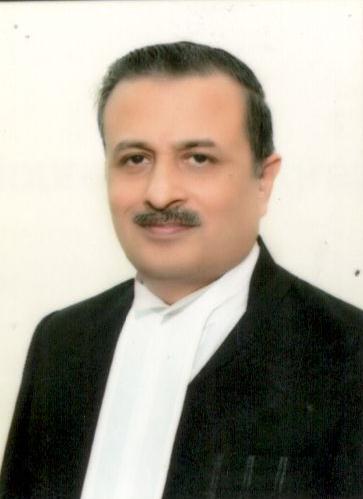
Our advocates appear daily at the Agra District Court complex.