Cheque Bounce Lawyer in Agra | NI Act Section 138 Specialist
A bounced cheque can severely damage your business credibility and financial stability. When a cheque issued by someone fails to clear, the Negotiable Instruments Act (NI Act), 1881 provides you with a powerful legal remedy. At Agra Legal Firm, we specialize in cheque bounce cases under Section 138 of the NI Act, representing both creditors seeking recovery and debtors defending against claims in Agra’s courts.
Understanding Cheque Bounce and NI Act Section 138
A cheque bounce occurs when a bank returns a cheque marked “Insufficient Funds,” “Account Closed,” “Signature Mismatch,” or similar reasons. Under Section 138 of the Negotiable Instruments Act, 1881, when a cheque is dishonored due to insufficient funds or for reasons other than those mentioned in Section 24(2) of the Act, this constitutes a criminal offense. This provision is unique to India and provides a criminal remedy against bounced cheques, making it one of the most commonly used provisions for debt recovery.
The key elements of a Section 138 case include:
- Cheque presentation within 6 months: The cheque must be presented to the bank within 6 months of its issue
- Dishonor due to insufficient funds: The cheque must be returned with a specific reason related to insufficient funds or other statutory reasons
- Notice requirement: A 30-day notice must be served on the drawer before filing the case
- Drawee and payee relationship: There must be a pre-existing relationship or transaction between the parties
- Culpable mental state: The drawer must have knowledge that the cheque would likely be dishonored
The Legal Framework Governing Cheque Bounce Cases in Agra
The Negotiable Instruments Act, 1881 is the primary statute governing cheque bounce cases across India, including Agra, Uttar Pradesh. Section 138 specifically criminalizes the dishonor of cheques, making it a criminal offense punishable with imprisonment and/or fine. However, this is a bailable offense, and the procedure is governed by the Criminal Procedure Code (CrPC), 1973.
In Agra district, cheque bounce cases are typically filed before the Magistrate Court under Section 138 of the NI Act. The District and Sessions Court, Agra is the principal magistrate court handling such cases. The jurisdiction extends to all offenses under the NI Act committed within the Agra district.
Key legal provisions applicable to cheque bounce cases in Agra:
- Section 138, NI Act: Defines the offense of dishonor of cheques
- Section 139, NI Act: Provides the procedure for prosecuting Section 138 cases
- Section 141, NI Act: Establishes liability for dishonor of cheques
- Section 142, NI Act: Provides for the right of complaint
- Section 143, NI Act: Establishes the presumption of fact regarding cheques
- CrPC Sections 134-142: Govern the criminal procedure in magistrate courts where these cases are tried
Cheque Bounce Legal Procedure in Agra District and Sessions Court
Understanding the procedural steps is crucial for both creditors and debtors involved in cheque bounce litigation. The process in Agra courts follows a structured path:
Step 1: Demand Notice (Pre-Filing)
Before filing a Section 138 case, the payee (or holder) of the cheque must send a written notice to the cheque drawer demanding payment within 30 days. This notice is typically sent through registered mail with acknowledgment due. In Agra, this notice must include the cheque details, the amount, the date of dishonor, and the reason for dishonor as communicated by the bank.
Step 2: Filing the Complaint
If the drawer fails to pay within 30 days of receiving the notice, the payee can file a complaint before the Magistrate. In Agra, this complaint is filed at the Magistrate Court attached to the District and Sessions Court. The complaint must include the original cheque, bank return memo, the notice served, and proof of service of notice.
Step 3: Summons and First Appearance
Once the complaint is registered, the Magistrate issues summons to the accused (cheque drawer). The accused must appear before the court on the scheduled date. At the first hearing, the accused can either admit or deny the charge. Many accused parties file applications for anticipatory bail at this stage.
Step 4: Bail Considerations
Section 138 offense is bailable, meaning the accused has a statutory right to bail. In Agra courts, bail is typically granted if the accused is not a habitual offender and is a resident of the area. However, the accused’s financial condition and ability to pay the cheque amount are considered by the magistrate while granting bail.
Step 5: Evidence and Trial
The case proceeds to trial, where both parties present their evidence. The payee must prove that a cheque was issued, it was presented to the bank within 6 months, it was dishonored, notice was served, and the drawer had knowledge that the cheque would be dishonored. The accused can present a defense, such as post-dated cheque, insufficient notice, or genuine banking issues.
Step 6: Judgment and Sentencing
If convicted, the drawer faces imprisonment (up to 2 years) and/or a fine (up to 3 times the cheque amount). In Agra magistrate courts, sentences are typically imposed based on the cheque amount and the circumstances of the case. The convicted person can appeal to the District Court.
Defenses Against Cheque Bounce Charges in Agra
Not all cheque bounce cases result in conviction. Several valid defenses are available to the accused, particularly in Agra’s courts:
Post-Dated Cheque Defense
If the cheque was post-dated and presented before the date, the drawer may not have been liable. The court must verify the cheque’s date of issue against the date of presentation.
Insufficient Notice Defense
If proper notice was not served on the accused, or if the notice period of 30 days was not adhered to, the case may be dismissed. Agra courts strictly scrutinize the notice requirement.
No Pre-Existing Relationship Defense
If there was no pre-existing legal relationship or transaction between the payee and drawer, Section 138 may not apply. This defense is particularly relevant in cases where cheques were issued without proper business context.
Cheque Issued as Security Defense
If the cheque was issued as security (e.g., for a loan) and not for payment of debt, the provision may not strictly apply. Agra courts have examined this defense in various cases.
Genuine Banking Issues Defense
If the cheque bounce was due to legitimate banking reasons (e.g., account closure initiated by the bank, court orders freezing the account), this may provide a valid defense.
Penalties and Punishments Under Section 138 NI Act
The punishment structure under Section 138 is clearly defined and applied consistently by Agra courts:
- Imprisonment: Up to 2 years, or
- Fine: Up to 3 times the amount of the cheque, or
- Both imprisonment and fine: The court may impose both punishments simultaneously
In Agra, magistrate courts often consider the circumstances, the cheque amount, and the accused’s background while deciding on the sentence. First-time offenders with smaller cheque amounts may receive lighter sentences, while habitual offenders or large fraud amounts may result in stricter penalties.
How Agra Legal Firm Can Assist You in Cheque Bounce Cases
At Agra Legal Firm, we bring extensive experience in handling Section 138 cases in the District and Sessions Court, Agra. Our services include:
For Cheque Payees (Creditors)
- Notice Preparation and Service: We draft legally compliant 30-day notices and ensure proper service through registered mail
- Complaint Filing: We prepare and file comprehensive complaints with all necessary supporting documents
- Evidence Compilation: We gather and organize all evidence, including cheques, bank memos, and transaction records
- Court Representation: Our advocates appear on your behalf, examining witnesses and presenting arguments before the magistrate
- Bail Hearing Preparation: We prepare for bail hearings and present arguments for bail denial if needed
- Appeal and Execution: If the decision is unfavorable, we file appeals before the District Court and handle execution of judgment
For Cheque Drawers (Accused)
- Anticipatory Bail Application: We file anticipatory bail applications to protect you from arrest
- Defense Strategy Development: We analyze the case details and develop the strongest possible defense strategy
- Notice Review: We examine the notice served to identify technical defects that could invalidate the case
- Compromise Negotiation: We facilitate negotiations between parties for possible settlement before trial
- Court Representation: We present your defense, cross-examine witnesses, and argue for acquittal
- Appeal and Review: If convicted, we file appeals and pursue legal remedies to overturn the conviction
Why Choose Agra Legal Firm for Your Cheque Bounce Case?
Agra Legal Firm is the trusted choice for cheque bounce cases in Agra for several compelling reasons:
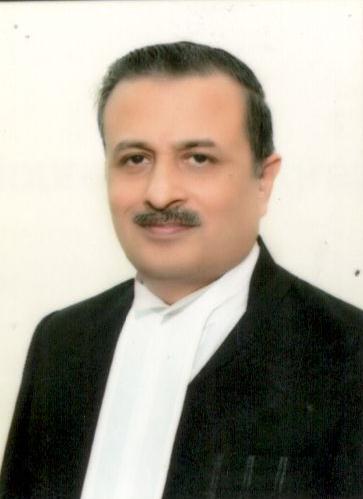
Local Court Expertise: Our founder, Itendra Singh, is an alumnus of the National Law University and has extensive experience practicing in the District and Sessions Court, Agra. We understand the local court’s procedures, the magistrates’ preferences, and the nuances of Agra’s judicial system.
Proven Track Record: With a 4.9 Google rating based on over 103 client reviews, our firm has successfully represented both creditors and debtors in numerous Section 138 cases. Our clients consistently praise our quick action, strategic thinking, and courtroom excellence.
Multi-Office Network: Our offices in Agra, Jaipur, Delhi, Allahabad, and Mathura allow us to handle cases across northern India, including matters with cross-jurisdictional elements.
Dedicated Advocacy: We are not merely legal advisors; we are your dedicated advocates who take a personal interest in your case outcome. We maintain constant communication, keep you updated on case progress, and prepare thoroughly for every court hearing.
Affordable and Transparent Fees: We believe legal services should be accessible. Our fee structure is transparent with no hidden costs, and we offer flexible payment options for our clients.
Comprehensive Case Management: From drafting the initial notice to executing the final judgment, we handle every aspect of your case with meticulous attention to detail.
The Financial Impact of Cheque Bounce Cases
Cheque bounce cases in Agra have significant financial implications for both parties. For creditors, a successful Section 138 prosecution can result in recovery of the cheque amount through fine or imprisonment, compelling payment. For drawers, conviction can result in substantial fines (up to 3 times the cheque amount) in addition to potential imprisonment.
Beyond the criminal penalties, a conviction under Section 138 can have lasting consequences, including:
- Damage to credit rating and business reputation
- Difficulty in obtaining loans or credit from banks
- Impact on business partnerships and commercial relationships
- Professional consequences if the individual is in a regulated profession
- Difficulty in obtaining government contracts or licenses
Common Cheque Bounce Scenarios in Agra
Our experience handling Section 138 cases in Agra covers diverse scenarios:
Business Payment Defaults: Merchants and vendors in Agra’s commercial areas frequently issue cheques for inventory and services that later bounce due to cash flow issues.
Loan Repayments: Individuals and small businesses in Agra issue postdated cheques as loan repayment security, which bounce when funds are unavailable at maturity.
Rent and Deposit Recovery: Property owners in Agra use cheque bounce cases to recover unpaid rent or security deposits from tenants.
Credit Facility Defaults: Banks and financial institutions pursue Section 138 cases against borrowers who issue cheques for EMI payments that bounce.
Trade Credit Disputes: In Agra’s trading community, cheque bounce cases often arise from disputes over trade credit terms and delivery of goods.
Frequently Asked Questions About Cheque Bounce Cases
1. What is the time limit for filing a Section 138 complaint in Agra?
According to Section 142 of the NI Act, a complaint must be filed within 3 years from the date the cheque was dishonored. In Agra courts, this 3-year period is strictly calculated from the date of the bank’s memo of dishonor. However, serving the 30-day notice before filing ensures the case proceeds smoothly.
2. Can a Section 138 case be compromised or settled?
Yes, Section 138 cases can be settled. The Supreme Court of India has held that parties can arrive at a compromise at any stage of the proceedings. In Agra, many Section 138 cases are settled before trial, with the drawer paying the cheque amount plus interest. Our firm facilitates these settlements while protecting your interests.
3. What is the bail situation in Section 138 cases in Agra courts?
Section 138 offenses are bailable, meaning the accused has the right to bail. In Agra magistrate courts, bail is typically granted on the first appearance unless the accused is a habitual offender. However, the court may impose conditions such as furnishing a personal bond or depositing a portion of the cheque amount.
4. What evidence is needed to prove a Section 138 case?
The essential evidence includes: (1) the original cheque, (2) the bank’s memo of dishonor showing the reason for dishonor, (3) proof that the cheque was presented within 6 months of issue, (4) proof of service of the 30-day notice, and (5) witness testimony regarding the pre-existing relationship and transaction.
5. Can I appeal against a conviction under Section 138 in Agra?
Yes, you can appeal against a conviction before the District Court of Agra. The appeal must be filed within 60 days of the conviction order (this period can be extended if there are valid reasons). In the District Court, your case is heard afresh, and you can present new evidence if not presented in the magistrate court.
6. What happens if the convicted person cannot pay the fine?
If the convicted person cannot pay the fine, they may face additional imprisonment as per the Agra court’s order. However, the court may also provide time for payment or accept installment payments in certain circumstances, particularly if the fine amount is substantial.
7. Does a cheque bounce case affect my professional reputation?
A conviction under Section 138 becomes part of your criminal record and can significantly impact your professional reputation, particularly if you are in a regulated profession (CA, lawyer, doctor, etc.). It can also affect loan eligibility, business partnerships, and public tender eligibility. Our defense strategy aims to protect your professional reputation by securing acquittal or compromise.
Agra’s Judicial System and Court Structure for Cheque Bounce Cases
Understanding Agra’s court structure helps you appreciate how your cheque bounce case will be processed. The District and Sessions Court, Agra is the principal trial court for all Section 138 cases within Agra district. This court has several magistrates (Class I and Class II) who handle criminal cases. Cheque bounce cases are assigned to magistrates based on their workload and case complexity.
The court is located at the District Court Complex, Agra, and follows the standard criminal procedure under CrPC. Cases are typically heard on fixed hearing dates, and the court maintains a diarized schedule for witness examinations and arguments.
The Role of Technology in Modern Cheque Bounce Cases
Modern Agra courts now accept digital bank memos and electronic evidence. During COVID-19, the court shifted to virtual hearings for many cases. While physical presence is still required for certain hearings, video conferencing is available for interim applications and arguments. Our firm leverages technology to ensure efficient case management and timely updates to our clients.
Conclusion: Protecting Your Financial Interests with Expert Legal Help
A cheque bounce can be a serious matter with lasting consequences. Whether you are a creditor seeking recovery or a debtor defending against charges, having expert legal representation is crucial. At Agra Legal Firm, we combine our deep knowledge of Agra’s courts, mastery of Section 138 provisions, and strategic thinking to achieve the best outcomes for our clients.
Our founder, Itendra Singh, brings the perspective of a National Law University alumnus to every case, ensuring that our arguments are not only persuasive but also legally sophisticated. With a 4.9 rating from over 103 satisfied clients, we have earned the trust of Agra’s business community, traders, and individuals.
If you are facing a cheque bounce situation, don’t delay. The 3-year limitation period passes quickly, and every day without proper legal guidance puts your interests at risk. Contact Agra Legal Firm today for a free consultation on your Section 138 case.
Request a Free Callback for Your Cheque Bounce Case
Our legal experts are ready to assess your case and provide strategic guidance. Call us at 9634323234 or fill out the form below for a free consultation. We’ll discuss your options and create a winning strategy together.
Phone: 9634323234
Address: Chamber No. 3, District & Sessions Court, Agra, UP 282001
Internal Links to Related Practice Areas
- Debt Recovery Lawyer in Agra – Comprehensive Money Recovery Services
- Criminal Lawyer in Agra – Expert Defense and Prosecution Services
- Civil Litigation Lawyer in Agra – Civil Court Cases
Agra District & Sessions Court
Our advocates appear daily at Agra courts for property, family, and civil matters.